
What is Extra-Deep-Drawing Steel (EDDS)? Extra-Deep-Drawing Steel (EDDS or EDDQ) is the most formable steel grade available on the market. It is engineered to endure extreme deformation and severe stretching without tearing, fracturing, or experiencing significant wall thinning.
To achieve this extreme formability, EDDS functions as an “Interstitial-Free” (IF) steel. During the metallurgical process, elements like titanium and/or columbium (niobium) are introduced to bind with stray carbon and nitrogen hardening elements. This creates an exceptionally clean, refined grain pattern that yields unmatched ductility.
Key Characteristics & Applications
-
Performance: Exhibits maximum resistance to thinning during the deep-drawing process and offers excellent weldability.
-
Trade-offs: Like standard Drawing Steel, EDDS suffers from low yield strength and is highly susceptible to denting, meaning it is rarely used for structural load-bearing.
-
Common Uses: Rely on EDDS for manufacturing highly complex, deeply stamped parts such as automotive door inners, dash panels, body side inners, and deep oil pans.
FAQ Section
-
What makes EDDS more formable than standard drawing steel? EDDS uses micro-alloying elements like titanium or columbium to bind carbon and nitrogen. This creates an “interstitial-free” micro-structure, removing the hardening elements that cause standard steel to tear during extreme stretching.
-
What are the common applications for Extra-Deep-Drawing Steel? It is primarily used in the automotive and appliance industries to stamp complex geometries that require extreme stretching, such as deep floor pans, dash panels, and door inners.
Application
EDDS is used for making products that require significant forming. It is usually found in door inners, dash panels, body side inners, and floor pans.
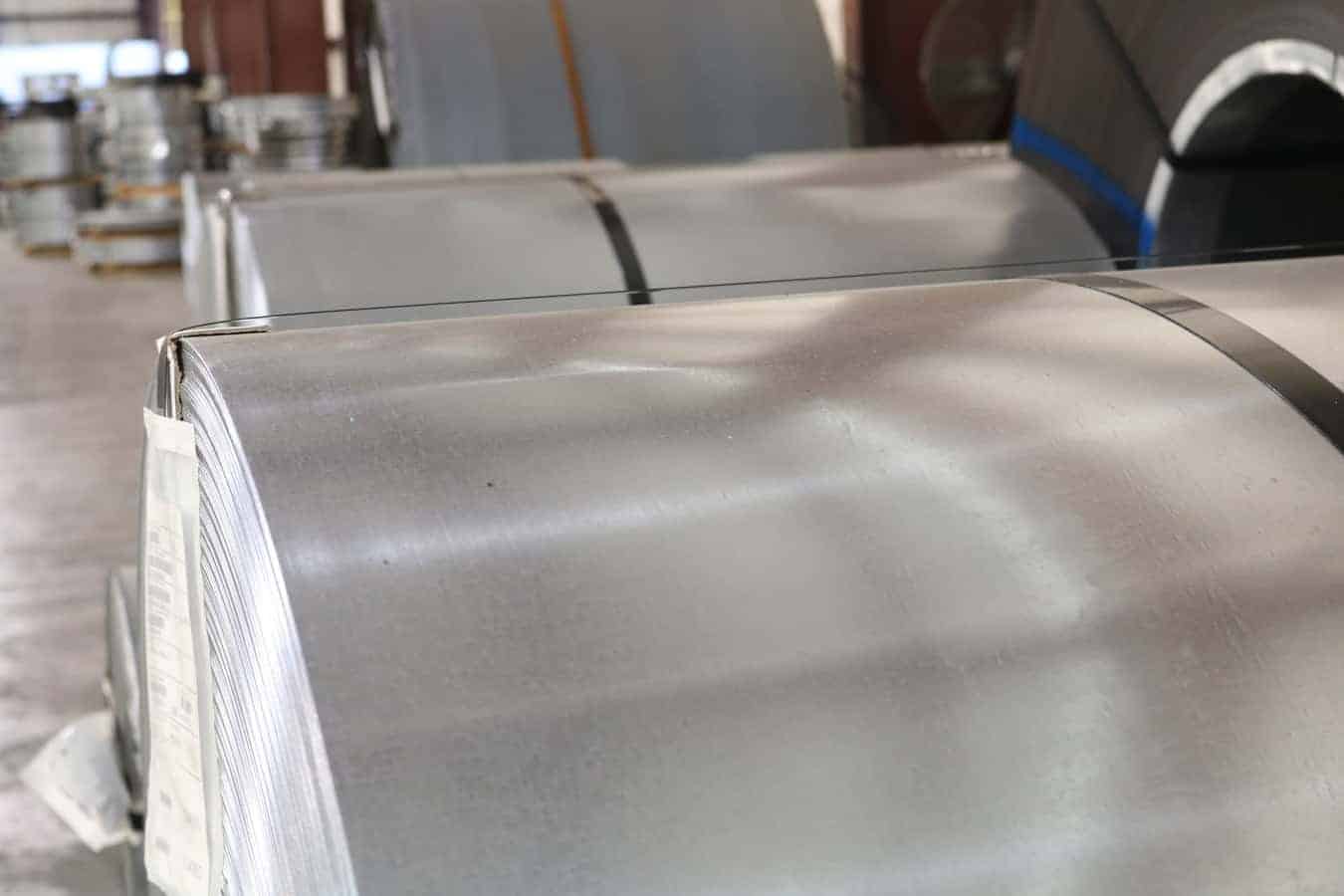 Extra-Deep-Drawing Steel